
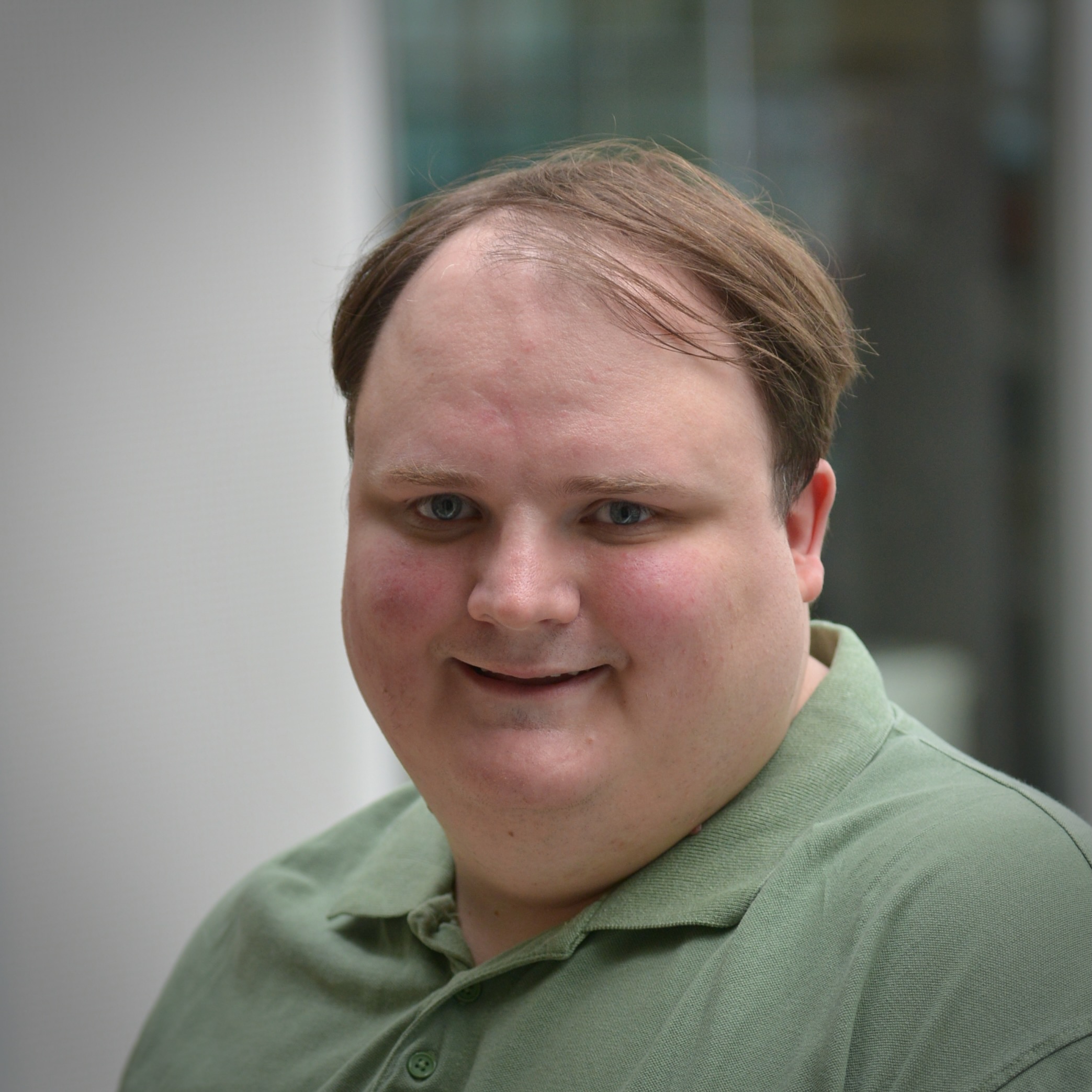
Josh Giles
Research Associate in Human-Centred Artificial Intelligence for Assistive Technology
Joshua Giles is applying AI and cognitive modelling to develop assistive technologies that continuously adapt to patients’ changing needs.
Tell us about your journey before you joined the Centre for AI in Assistive Autonomy?
Before joining the Centre for AI in Assistive Autonomy, I spent several years at the University of Sheffield working on a range of interdisciplinary projects focused on assistive technology, brain-computer interfaces (BCIs), and adaptive AI systems. My PhD research, supported by the A*STAR scholarship, explored how transfer learning can reduce calibration time in motor imagery-based BCIs for stroke rehabilitation. I later led research and entrepreneurial efforts on TeleRegain, a system combining BCIs with functional electrical stimulation for at-home stroke recovery. I also contributed to projects on mental health, including biomarker detection for major depressive disorder, and consulted on predictive models for hearing loss.
What motivates you to work in this area?
I like to develop technologies that have a direct, positive impact on people’s lives; especially in areas where support is urgently needed. I’m particularly motivated by challenges related to brain health, where impairments can be deeply isolating and life-altering. The chance to create tools that support recovery, independence, or daily function keeps me passionate about combining AI and assistive technology to make a tangible difference.
What do you love about Edinburgh?
In my spare time, I enjoy a mix of relaxing and social activities. Whether that’s playing board games or video games, heading to the cinema, or getting outside to explore the local nature.